

Our Modern Problem:
Before embarking on my journey of creative recovery, I thought that idea generation was some kind of elusive thing only available to people born with an innate talent or it-factor. I wanted to make meaningful art, but didn’t know what to make my art about. It turns out, the ideas were there all along — I just needed to know where to find them. In this article, I’ll discuss why it feels so hard to come up with original creative ideas now more than ever and also share three simple practices, plus a special kind of media detox, that you can implement to help.
First, we need to understand where ideas come from. Imagine for a moment that your brain is a powerful radio antenna. It picks up on many different transmissions. Some have a strong signal, like our emotions, physical needs or internal dialogue. We’re almost always aware of their presence and if you don’t face challenges with interoception (aka. sensing and identifying our internal goings-on) then these phenomena are easy to tune into. However, some transmissions have softer signals that require specific conditions for us to pick up on them, like those of a sub or superliminal nature (think suppressed desires, synchronicities, dreams etc, which I will talk about later). These phenomena don’t sit at the forefront of our awareness day to day, but if we can get very quiet inside and listen carefully, they are there — and sometimes they have something important to say.
In Rick Rubin’s book, The Creative Act, he talks about how creative ideas are a type of transmission that our brain-antenna can receive. These nuggets of insight, which Rubin calls seeds, are gifts from Source and we must make every effort to collect and record them when they arise.
The problem with our modern world is that we are living in a state of hyper-stimulus. We’re bombarded with advertisements, images, videos and bright screens almost constantly. According to this Aljazeera report: the average person spends 2.39 hours on social media per day. That’s 40 days per year spent scrolling feeds and consuming online content. Not to mention the countless forms of brainrot that, in my opinion, serve no purpose other than what the name suggests. I recently had to reckon with my own terrible social media metrics and I’m embarrassed to say that my stats were closer to the 6hr mark…
No wonder I felt like I had no ideas of my own. I was not creating the conditions in my life to receive them. I couldn’t hear the seeds. They were being drowned out by a cacophony of distractions, mainly in the form of Instagram and YouTube shorts. I needed a detox, and that’s where Media Depravation came in. I don’t think the practices I’m going to share later in the article will work nearly as well if there isn’t a good foundation of calm to layer them on. While you’re free to skip ahead to read or implement them without doing a week of Media Deprivation first, I still suggest giving it a go. Especially if you’re like me who had a really high screen time.
Modern Problems Require Old-School Solutions:
It may be easier said than done but you gotta put down the phone mannn. The seeds won’t present themselves if you’re overstimulated. They are shy little buggers and need plenty of quiet moments to come out of hiding. In all seriousness, I recently trialed a week of Media Deprivation as part of my Artists Way week 4 exercises and was pleasantly surprised by the results. Many of the habits I developed during this week have stuck around too. I have a blog about my experiences working through the first 4 weeks of TAW, and you can read it here.
Here are the rules I followed. You can do this in whatever way suits you. Also please take anything in this article as a gentle suggestion. Some of these rules won’t be possible to follow exactly due to what you do for work, or maybe you’re not in a place with your mental health that feels right for you to attempt this right now. You know your situation better than I do and I am not the be-all-end-all authority of creative processes — I’m just someone figuring this out myself and sharing in hopes that it might nudge you in a more creative direction. Everything with a grain of salt, people!
***
My Media Deprivation Rules:
1. No doomscrolling ie. Instagram, TikTok, YouTube, Threads, Netflix, Pinterest etc. Log out and delete them all off your devices. Divorce important communication from social media ecosystems and use SMS, WhatsApp or chat in person this week.
For bonus points, you can go to your Accessibility Settings and change your screen filter to black & white. Reduce all visual sensory inputs to bare minimum levels. I love doing this and even made a side-button shortcut so I can toggle b& w mode on and off whenever I like.
2. Try not to look at anything other people have made. No advertisements, movies, YouTube videos, art books, galleries, museums. No podcasts or audiobooks due to the propensity to multitask while engaging with other activities. Reading a physical book may be allowed (you decide) but only mindfully before bed and as a focused independent activity.
3. Calming music without lyrics is allowed like some forms of jazz, lofi or binaural beats to focus, unless you’re a musician — then maybe consider not listening to music at all for this week.
The idea is to spend some time away from other people’s ideas so your own can emerge. You will quickly become painfully, terribly, unimaginably bored. Good, that is quite literally the point.
***
Try this for one week and record your feelings/observations before, during and after the experience. It might be helpful for you to track your activities in the week leading up to this so you can see where your time goes. Do this without judgement. Record similarly during your Media Deprivation week and see how the two lists compare. I use an app called Toggl Track, it’s free (and this is not sponsored).
My Experiences:
I had never been so productive and focused. Seriously. There was nothing better to do, so I finally finished my website and wrote a 3000 word article on a whim for the first time since University… which was 5 years ago.
This kind of output was genuinely shocking for me. I was diagnosed with ADHD in my second year of uni and had taken medication to cope with study and full time work from my late teens to mid-20’s, until coming off in 2025 to travel overseas. I was so energised during this week that I didn’t need anything but a little midday matcha to get me through my writing sessions. I felt clear headed and free.
Honestly, this wasn’t hard for me at all. I was already starting to feel totally put off social media long before trying Media Deprivation and being on my phone felt more like a compulsion than anything useful. I only felt a huge sense of relief when I finally made the jump to deleting the apps from my phone.
There was one occasion where I broke my Media Deprivation. I went to go see the new Spider-Man movie in the theatre with Mitch. We had booked expensive and non-refundable Comfort Cabin tickets the week before, having totally forgotten I was supposed to be doing this challenge. The movie was a nice Friday night treat and I went back to following the rules the next day. I did feel wiped in the morning though; movies are very bright and noisy and it was a bit of a shock to the system after having such a low sensory input week. Be aware that this might happen to you as well if you reintroduce things too quickly afterwards.
With the quietening of external noise, I noticed something incredible. The seeds were making themselves heard. New ideas for blogs, photography projects, paintings I could make — it was like a dam had burst, the floodgates had opened and my creative channels had unblocked for the first time in years. These didn’t just come from thin air though. I implemented the following three simple practices to encourage the seeds to come out of hiding. You can try them during or after your week of Media Deprivation for the best effect.
A disclaimer: I didn’t invent anything and some of these techniques are rooted in ancient or religious practices. I don’t claim to be anything but a messenger. This is an overly simplistic introduction and these practices deserve a lot more than just a small paragraph on a blog. Media Deprivation is from week 4 of The Artists Way by Julia Cameron. This book was first published in the 90’s, when reading was one of the primary forms of entertainment and information sharing so Cameron calls this tool Reading Deprivation. Myself, like many other people working through TAW today have taken a modernised approach and that is what I’ve shared above. I always try to credit my sources. If you think I’ve made a mistake, please kindly email your suggestions for corrections to me at veronika@barelysomewhere.com.
Okay! as promised…
How to Actually Hear Your Ideas: 3 Simple Practices
1. Meditation
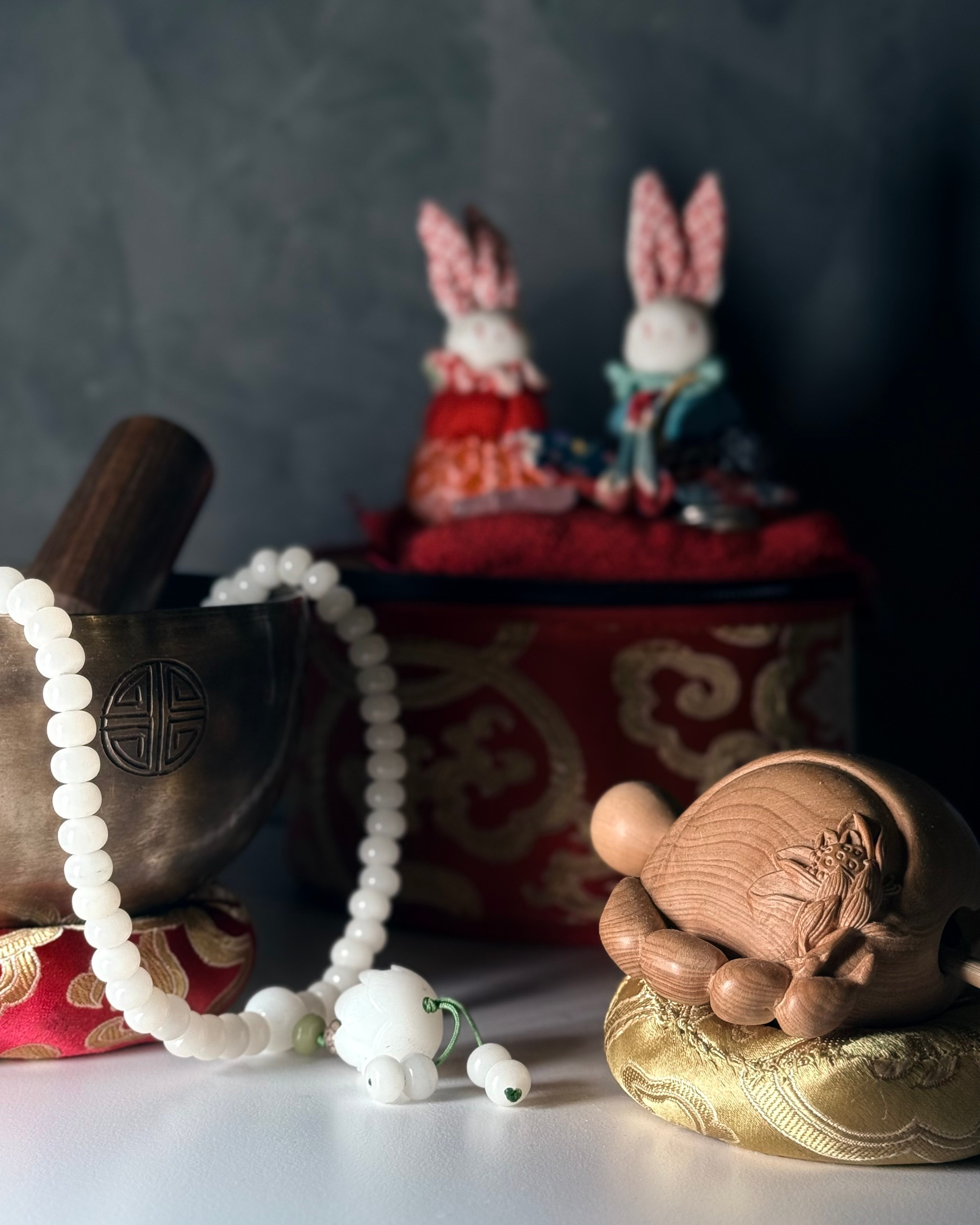
Meditation has roots tracing back over 5000 years to ancient India and is practiced by many religious (Hindu, Buddhist, Jainist etc) and secular people alike. I practice meditation in a Buddhist-curious context but you don’t need to be any particular religion to try this wonderful practice. Anyone can meditate.
Something to Try:
Situate yourself in a position that is comfortable for you — standing, sitting or lying down, they’re all fine. It might be helpful to close your eyes. Become still.
Start to observe your breathing.
On the in-breath think: I am aware that this is an in-breath.
On the out-breath think: I am aware that this is an out-breath.
Repeat this little mantra. Your mind will wander, that’s okay.
Notice any thoughts that come along but don’t become attached to them. Pretend you’re listening to a radio and your thoughts are a broadcast. If you feel yourself getting distracted, go back to observing your breathing. That’s it! Do this for a short time at first and build up your practice gradually. For a great meditation timer, you can download the Plum Village app for free on the Apple App Store — there are also many lovely guided meditations, chants and Dharma talks to listen to by real monks from the Plum Village monastery in France and all over the world. I use this app every day and I love that it’s existence is a free gift to the world.
Meditation is a fantastic tool for observing your inner voice, de-stressing and developing concentration. Even just 5 minutes per day can bring you a little bit closer to your true self. Give it a go and record your observations.
2. Recording Dreams & Synchronicities
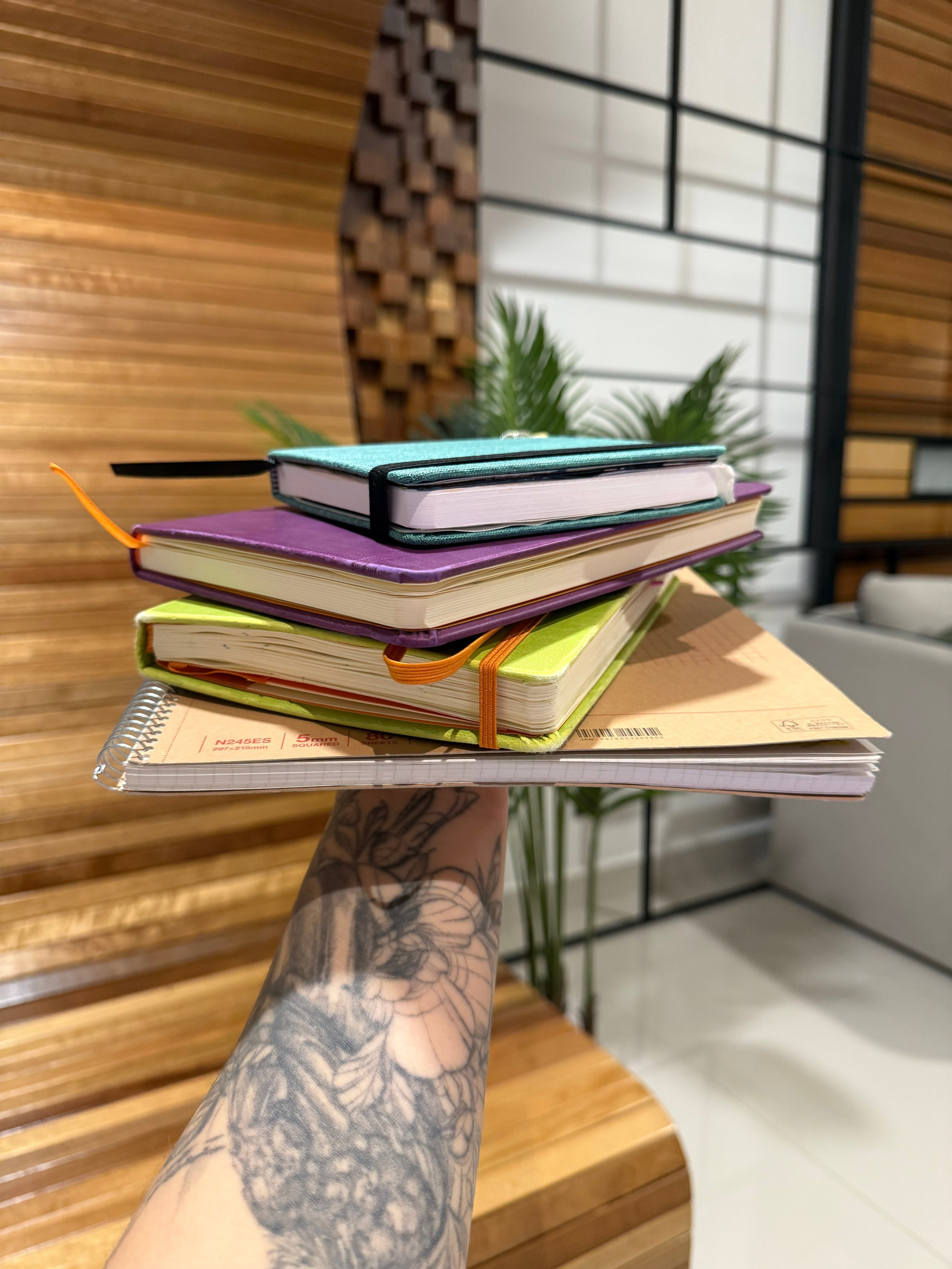
Dreams can be a great source of artistic inspiration or insight into subconscious desires. I believe that dreams can carry messages and I make an effort to record my dreams in my morning journaling practice. The more you record your dreams, the more you’ll remember them; you may even start to have wilder, more colourful and imaginative dreams. Keep a notepad and pen next to your bed and practice writing down your dreams first thing when you wake up. Setting an intention the night before that you will remember your dreams can also be helpful.
Synchronicities are another way to look at coincidences. Basically, when two or more separate events line up in a meaningful way. For example, the other day I was working on transforming impatience during one of my morning meditation sessions. For the rest of the day, I was handed one annoying inconvenience after another. PMS mood swings were swinging hard, I spilled my egg at breakfast in a cafe, the bathroom door in said cafe wouldn’t lock, the cafe next doors bathroom was occupied for what seemed like an eternity, I went shopping for art supplies and couldn’t hail a ride for almost 45 minutes to get home, traffic was really bad on the way back and so on until bedtime.
So you want to practice being patient, aye? I’ll give you something to be patient about.
- The Universe, probably…
Ask the Universe, Source, God, whatever you like to call that thing outside of yourself for something and be alert for any messages you receive back. Sometimes it’s like a genie-in-a-bottle situation and you get what you asked for but in a way you didn’t quite expect. I like to write them down and mark them in my journal with a sticky tab so I can find them later.
The idea with these two exercises is to get used to noticing things in our day to day lives that are outside of our immediate perception. Many seeds can be found here.
3. Automatic Writing
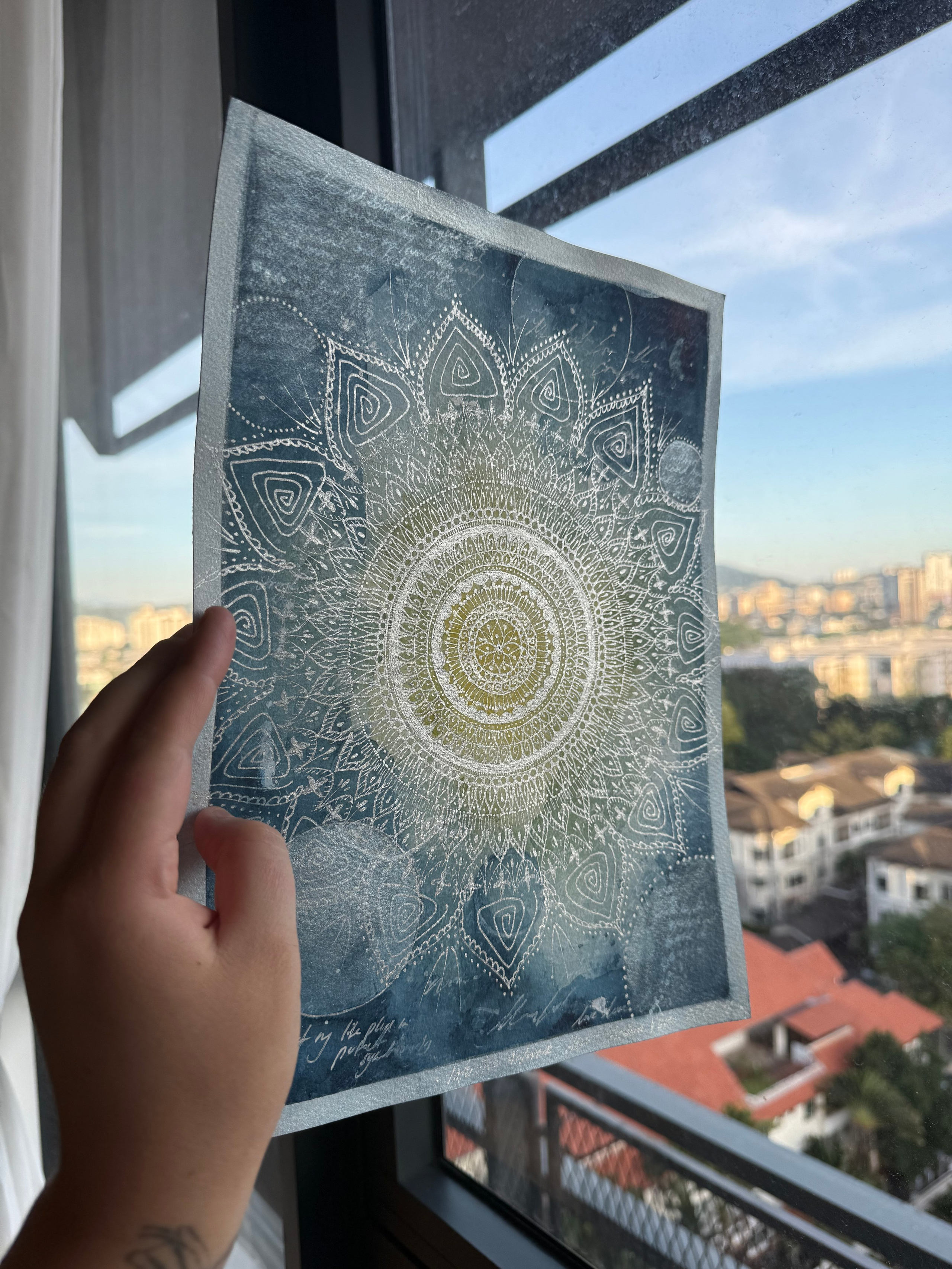
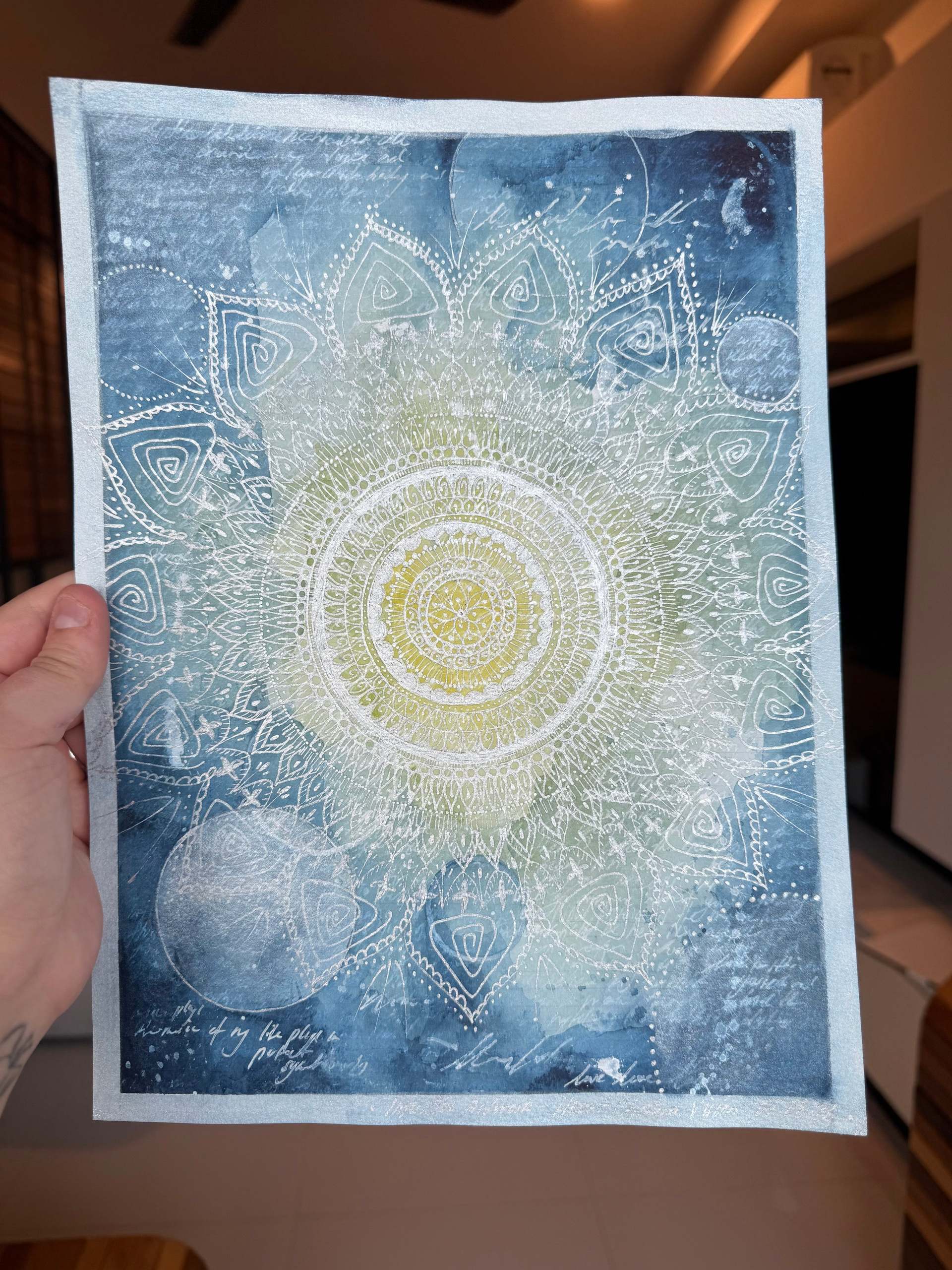
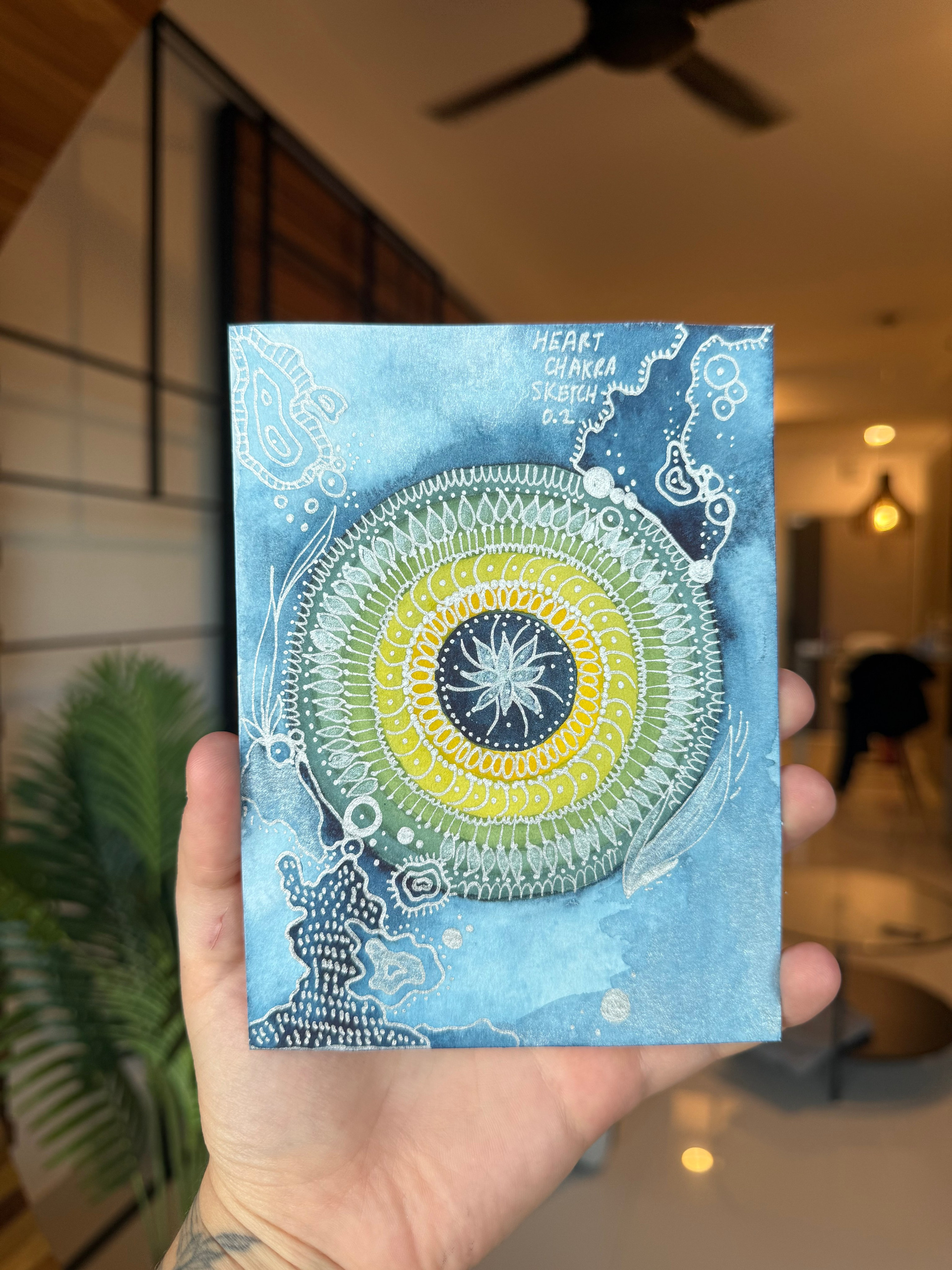
Automatic writing is a practice that evolved over many centuries. From Chinese Spirit writing in the Song Dynasty (960 - 1279 CE), to 13th and 11th Century European mediumship, to the more modern interpretations of Spiritualists and Surrealists in the 1800’s — 1940’s. For Spiritualists, Automatic/Free Writing was considered a way to make contact with spirit guides. In 1927, psychiatrist Harold Dearden wrote that automatic writing is a psychological method of tapping into the unconscious mind. I like to put on some focus music or jazz, grab a pen and just start writing stream of consciousness style in a large college notebook. I prefer a larger page like A4 over my A5 Morning Pages journal. I feel like the larger size gives me much more room to expand into the writing and the pen flows longer without needing to stop to turn the page. What you write will probably be a lot of nonsense at first. Don’t worry about punctuation, spelling or grammar — write so that your pen never stops moving. If you don’t know what to write, write that! You might be surprised by some of the things that come out. I’ve written a few poems this way, and also included it in the pictured artwork.
This mixed media mandala was made on St. Cuthberts 100% cotton cold-press paper with watercolour paint, acrylic glitter paint, white gel pen and a Pen-Touch metallic paint fine liner; hence why I’m holding it at an angle, so you can see the shine. The artwork contains a full page of automatic writing in one of the layers for texture. It’s based on colours and shapes that I saw during a meditation session, mainly greens that I think relate to the Heart Chakra so I’ve called this one a Heart Chakra Map. I’d like to make maps for the other chakras once the inspiration presents itself to me again.
When looking for examples of other artists who use automatic writing knowing that I wanted to create this article, I found Jo Howell’s blog Maverick Beyond. She is a working class photographic artist based in Sunderland, UK who frequently uses automatic writing in her cyanotype work. She has a fantastic blog about art making, you should go check it out and follow her on Instagram too @jo_howell_uk. She may very well also be reading this shoutout now that we follow each other and she didn’t ask me to write it, I just wanted to share. Hi Jo!
I will go deeper into how I developed the painting shown here in a seperate blog. You can sign up to my newsletter to know when this comes out.
Examples:
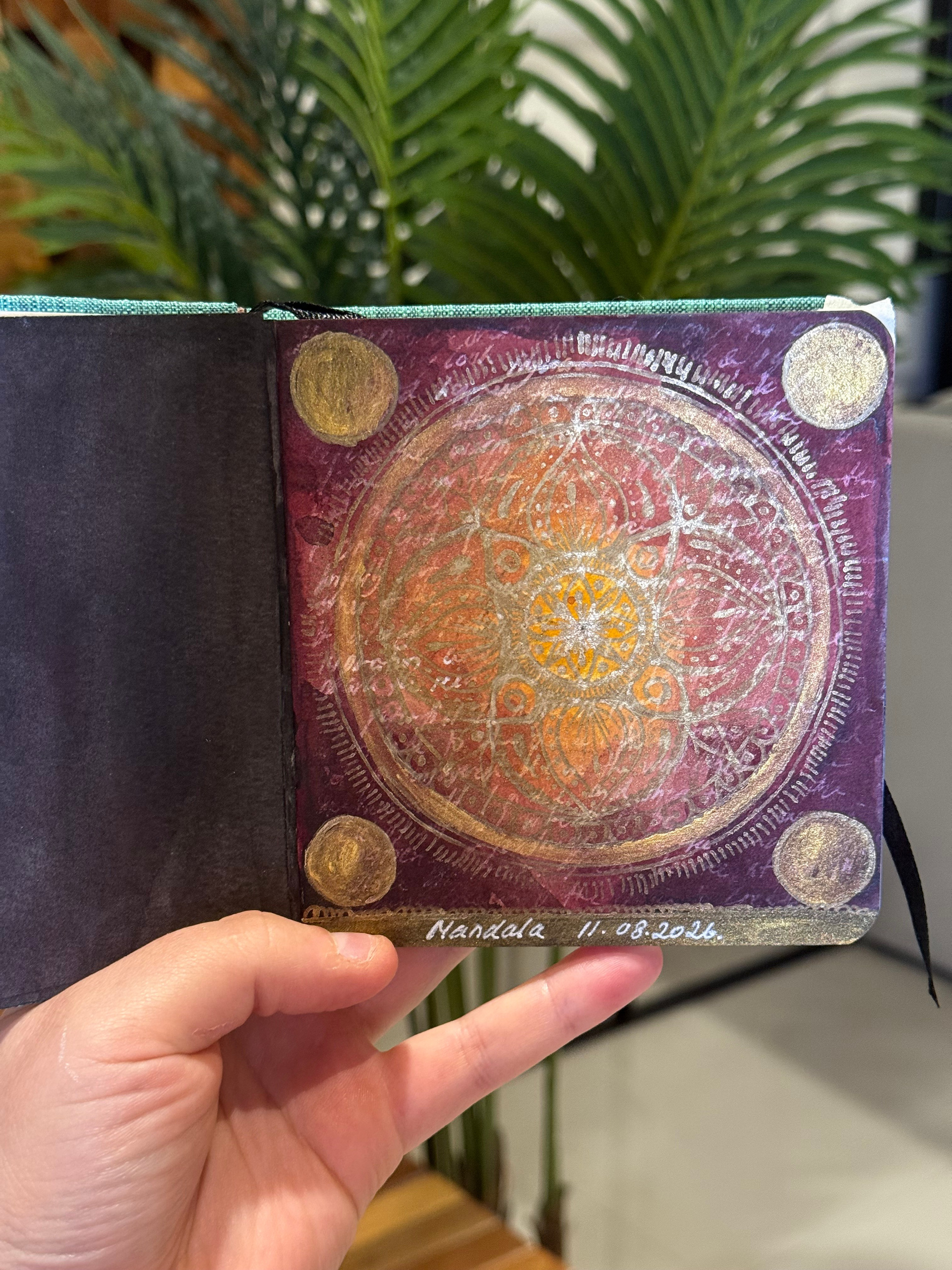
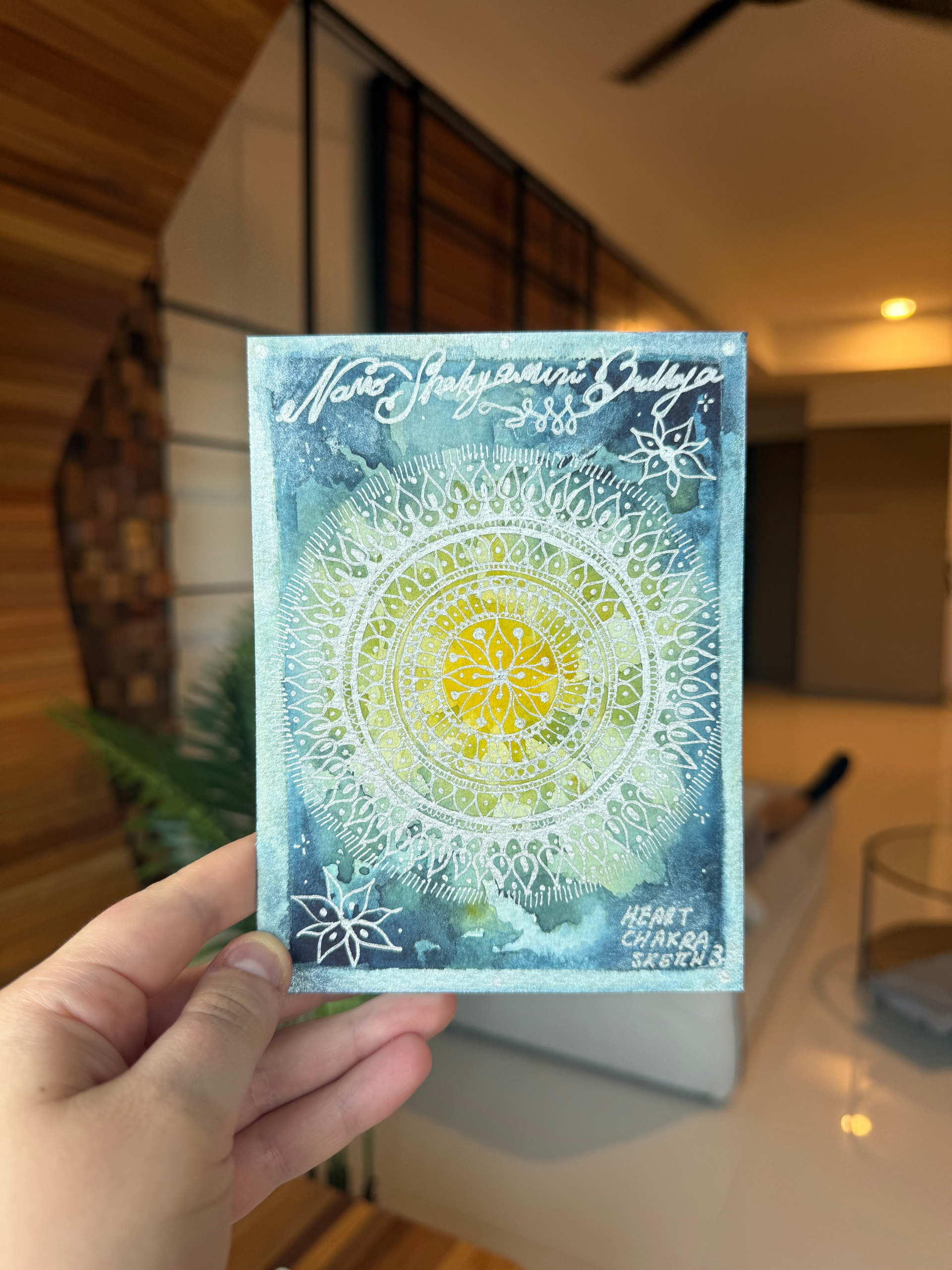
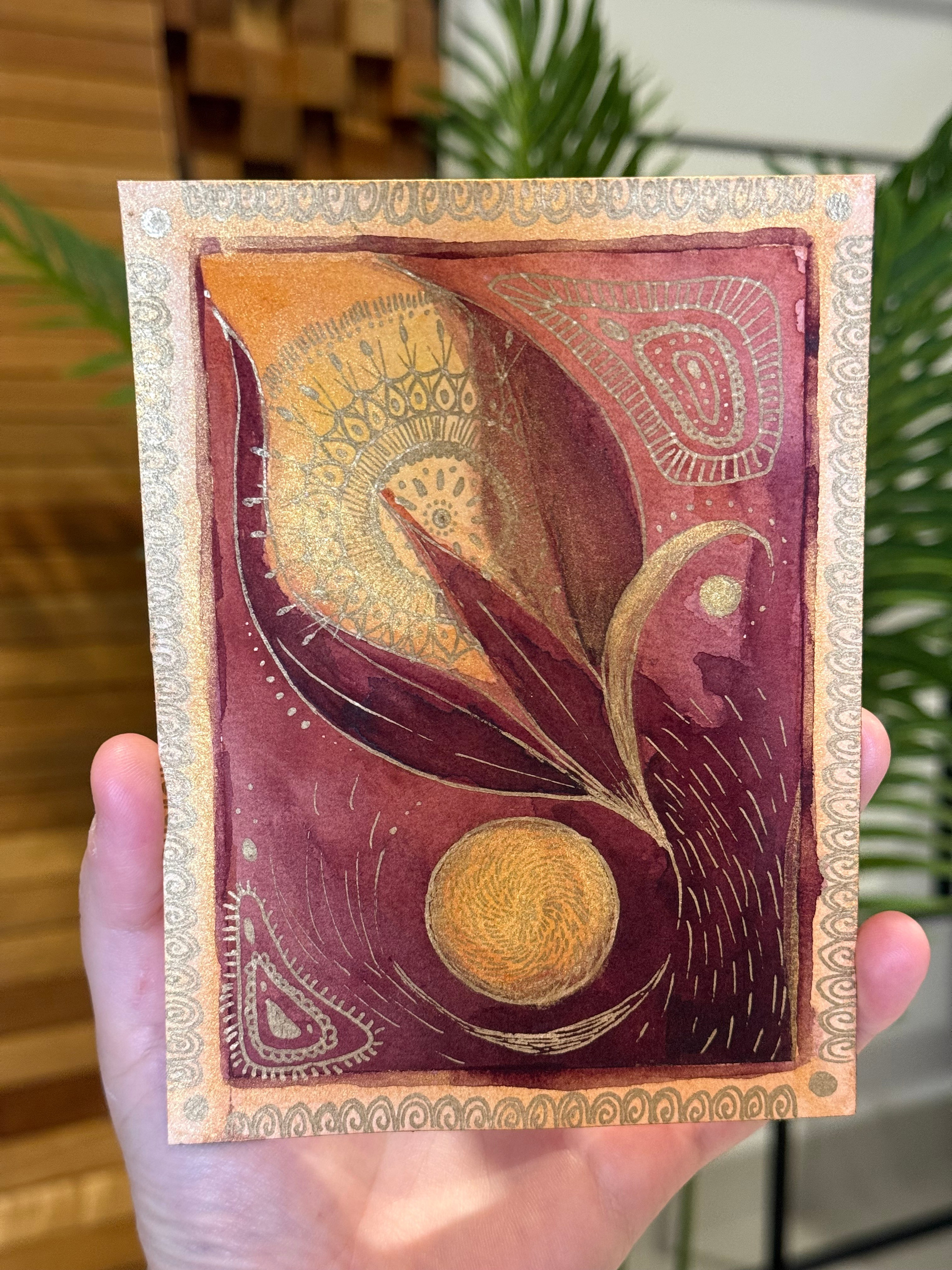
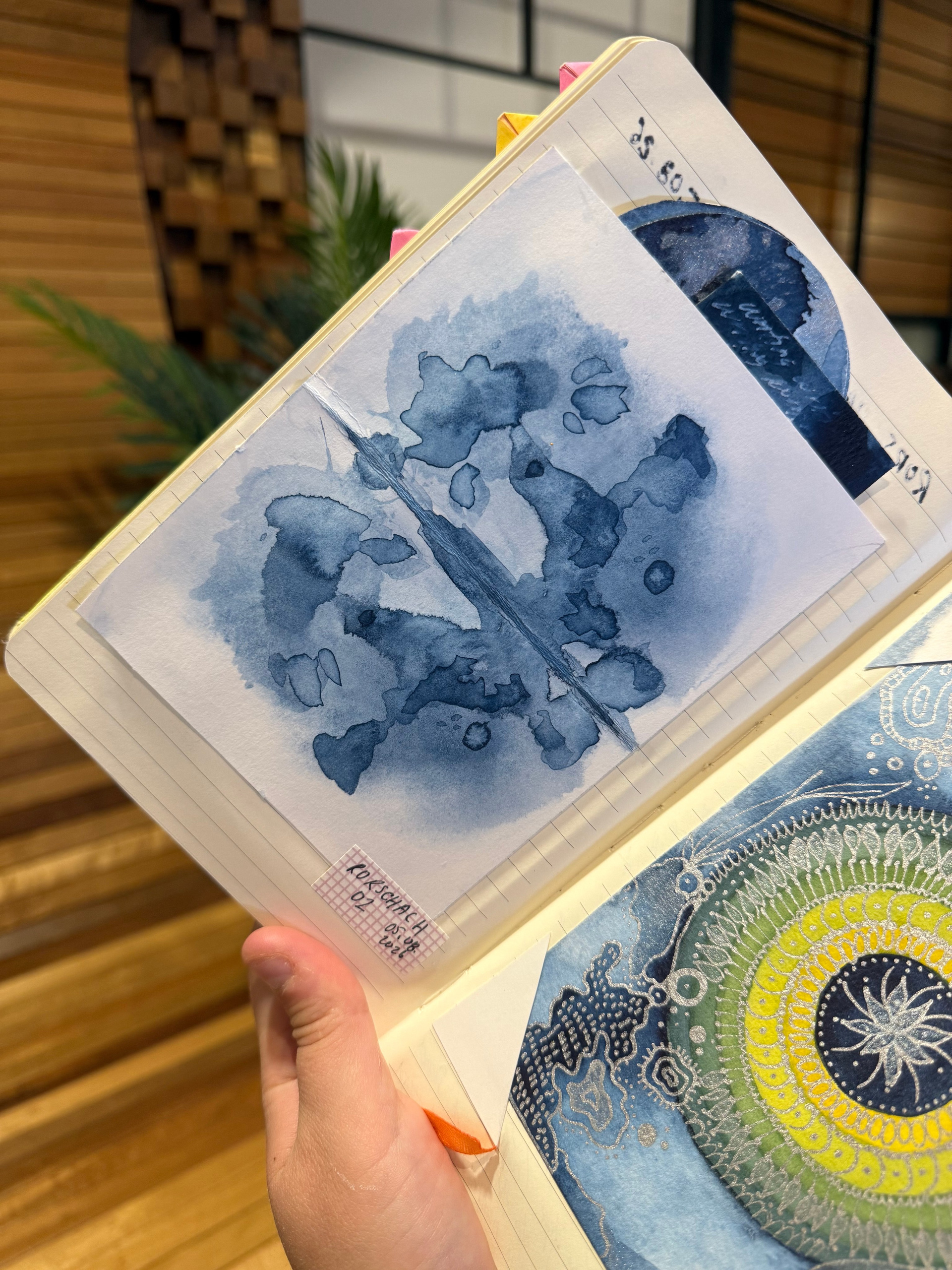
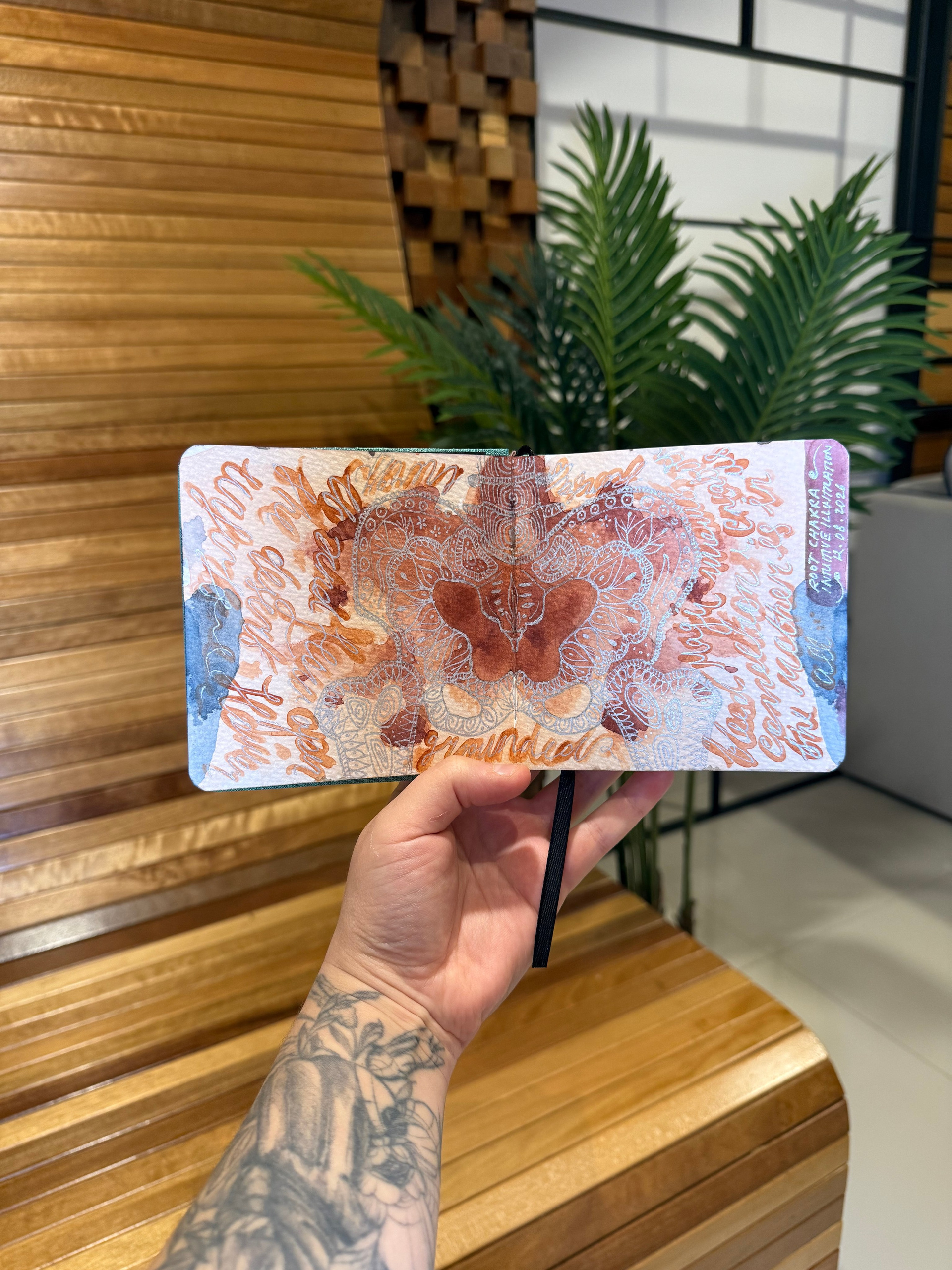
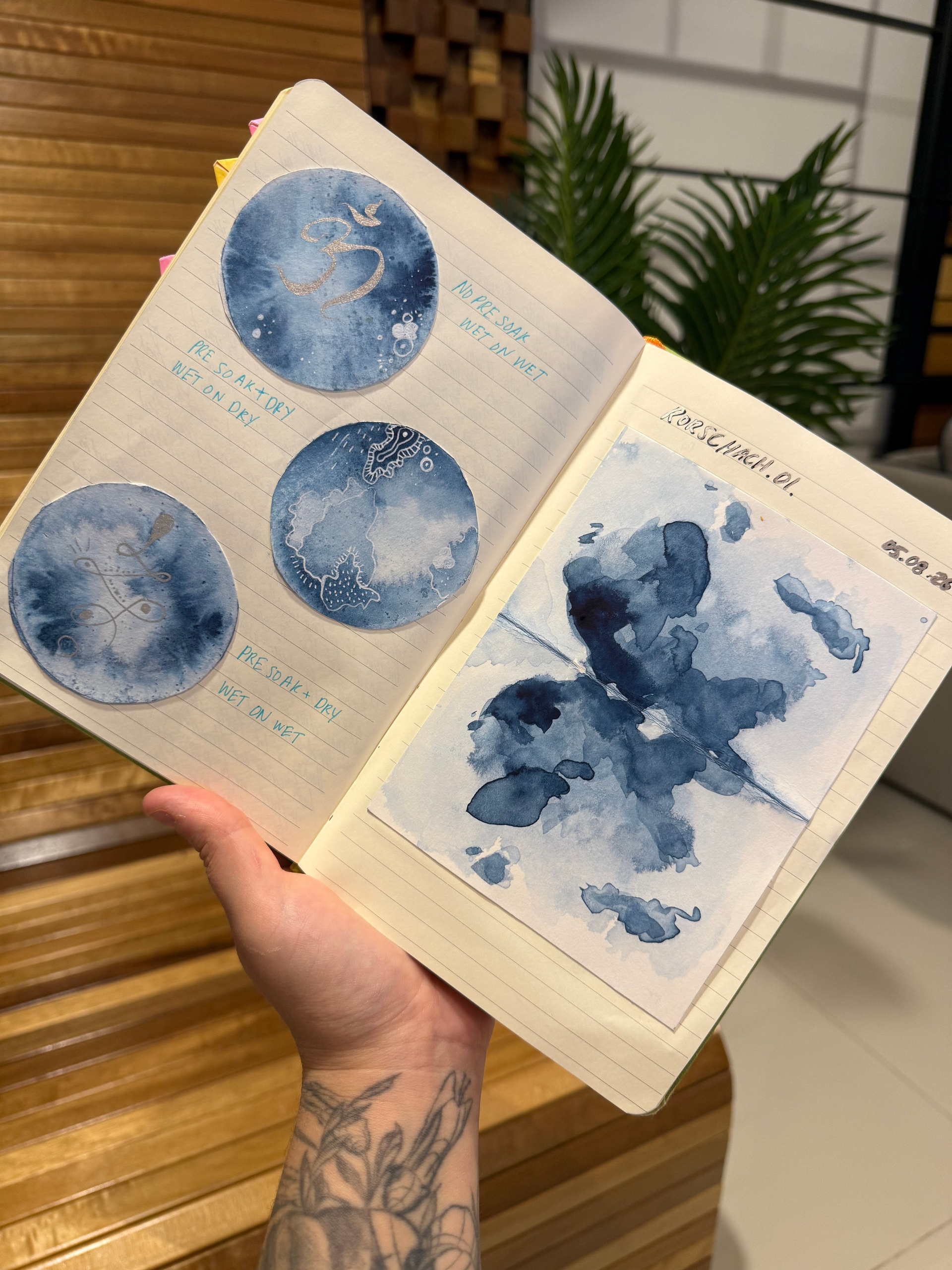
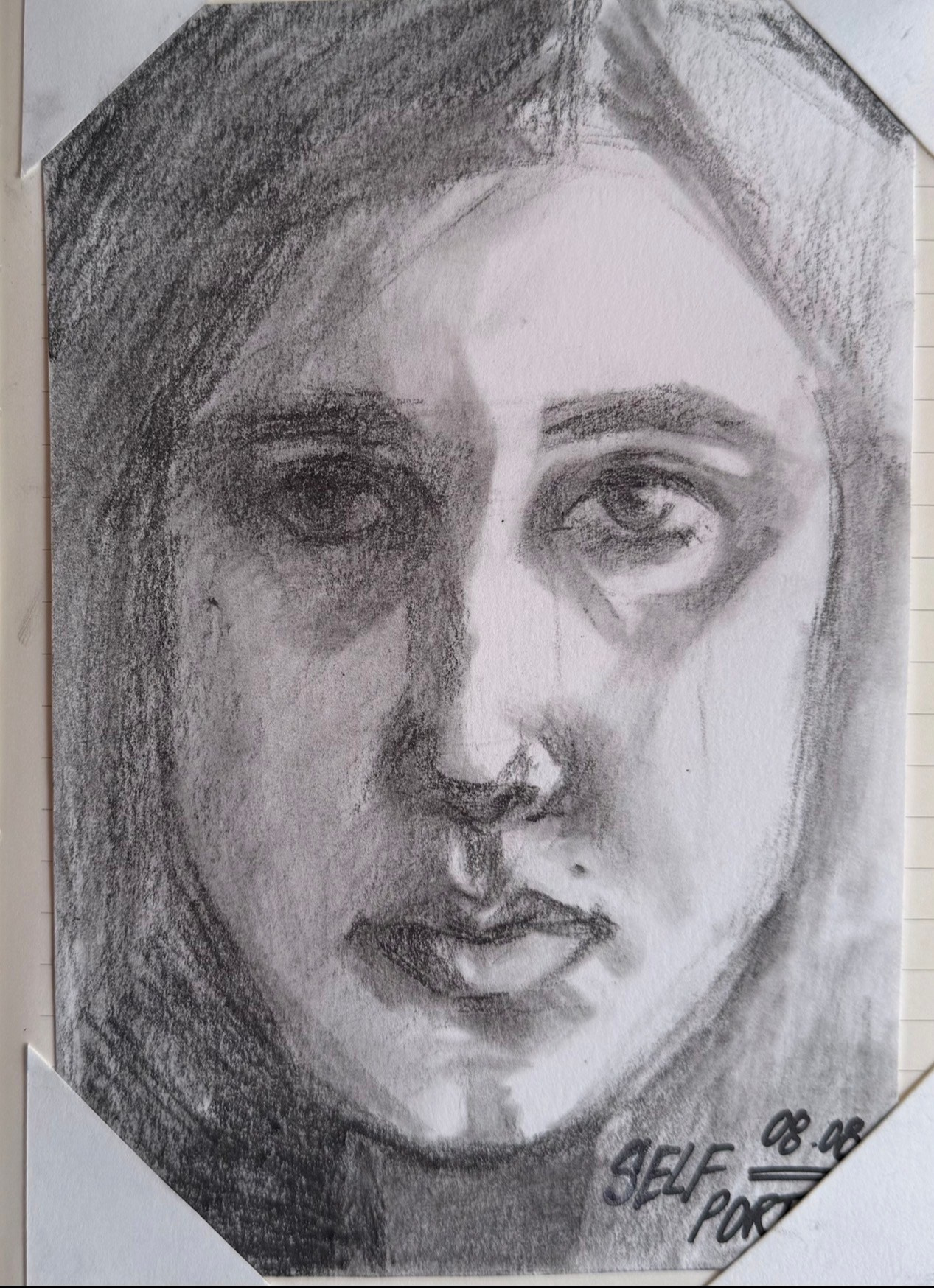
Here is a gallery of some of the work that I’ve made over the past few weeks both during and after Media Deprivation. These wouldn’t have come into existence if I hadn’t been practicing the aforementioned techniques and noticing the seeds that cropped up in the process.
In Conclusion:
I think it’s safe to say I won’t be re-downloading social media apps onto my devices any time soon. I have begun to to periodically look at Instagram again but only for about 10 minutes per day and to check my messages — honestly, me a year ago wouldn’t have believed that was possible. The crazy thing is that the desire to even look is practically gone, I’ve just lost all interest. I’m having a lot more fun on the quiet side creating and channeling this new found energy into my art and writing. It’s all very exciting.
I do hope you give these practices a try. If you do and have something to share, please send me a message via my contact form or in an email at veronika@barelysomewhere.com. I would love to share your experiences with our fellow newsletter subscribers. The mailing list is 10 people strong and growing, woo! Thank you for reading and I hope to see you for the next blog.
